
What Is Shadow Work?

What is Shadow Work, after all?
Shadow work refers to exploring your inner darkness or "shadow self" - the parts you may have repressed, hidden, or disowned. The concept originated with renowned psychologist Carl Jung.
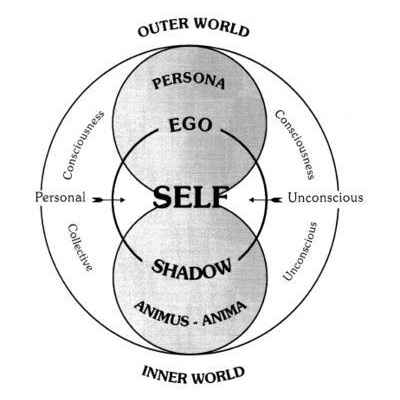
Jung believed we all have a "shadow" side of hidden feelings, buried memories, and undesirable traits contradicting our ideal self-image. This shadow represents everything about ourselves that we can't or won't acknowledge. These denied aspects of our psyche don't simply disappear. They accumulate in our unconscious minds and influence our behaviors, emotions, relationships, and decision-making.
Shadow work aims to bring our shadows into conscious awareness through self-reflection, journaling, meditation, and dream interpretation. By shining a light on the darker corners of our psyche, shadow work helps us recognize suppressed emotions, acknowledge past wounds and trauma, and accept and integrate disowned parts of ourselves.
The goal is greater self-knowledge, inner wholeness, and healing. As Jung wrote, "Everyone carries a shadow, and the less it is embodied in the individual's conscious life, the blacker and denser it is." Shadow work allows us to embody more of our shadows and live more authentically.
With that said, here are 10 reasons to start your Shadow Work Quest to a better you!
1. Why Do Shadow Work?
Shadow work provides numerous benefits by facing suppressed emotions and unconscious conflicts. Engaging in shadow work can improve self-awareness, emotional intelligence, and overall psychological growth.
Benefits of Facing Suppressed Emotions
When we face aspects of ourselves that have been suppressed, we gain the opportunity to process and integrate them healthily. Suppressed emotions often retain their power over us, causing problems like anxiety, defensiveness, and difficulties with intimacy. We can reduce their control and learn to handle them constructively by bringing awareness to these parts of ourselves.
Shadow work allows suppressed emotions to be consciously felt, expressed, and understood. This can provide emotional relief after facing inner conflicts that have weighed us down. It also builds emotional intelligence as we improve our ability to handle challenging feelings and vulnerabilities.
Improves Self-Awareness and Emotional Intelligence
Exploring our deep inner shadows requires radical self-honesty and awareness. This builds our capacity for emotional intelligence - the ability to understand, process, and communicate our feelings effectively.
Working with our shadows often reveals unconscious patterns, hurts, desires, and beliefs. Realizing these hidden aspects leads to greater self-knowledge and wholeness. We become more attuned to our emotions and inner lives.
Practices like journaling, art therapy, and meditation in shadow work also boost self-reflection. With more vital self-awareness, we can recognize areas for emotional growth instead of just feeling confusion or distress.
Promotes Psychological Growth
Owning and exploring our shadows, rather than repressing them, allows profound psychological growth. It helps us release maladaptive behaviors or thought patterns stemming from our shadows.
Acknowledging our darkest impulses - anger, jealousy, hurt - in a constructive manner makes them less controlling and destructive. We may uncover motivations we were unaware of and make better choices.
Integrating shadow aspects leads to becoming more complete, mature individuals. We accept ourselves wholly, bringing unconscious material into the light of awareness. The personal development and wholeness resulting from shadow work are deeply rewarding.
This inner work provides ongoing opportunities to better understand and care for ourselves. With courage and compassion, we can experience growth and healing through embracing the totality of who we are.
2. Common Shadows We Face
We all have shadows, which are aspects of ourselves that we try to repress or deny. Some of the most common shadows we face include:
Anger
Anger is a natural human emotion, but many of us are taught from a young age to suppress our anger. Anger that is bottled up rather than expressed constructively can manifest in passive-aggressive behaviors, sarcastic remarks, emotional outbursts, or even physical violence. Shadow work can help us get in touch with repressed anger and find healthy ways to honor those feelings.
Grief
Grief is an inevitable part of life, but it is often an emotion people want to avoid or "get over." Suppressed grief may lead to depression, emotional numbness, or self-destructive behaviors. Through shadow work, we can fully feel and process grief to integrate the loss into our lives.
Shame
Many of us carry shame about our past actions, feelings, or experiences. This shame can cause us to hide parts of ourselves or punish ourselves through perfectionism, people-pleasing, or self-sabotage. Shadow work allows us to meet our shame with self-compassion and look for the roots of shameful feelings in our upbringing or past traumas.
Envy
It's natural to feel envious at times, but envy is another emotion many of us feel ashamed of and try to deny. Repressed envy can become resentment, self-judgment, or actions to diminish others' success. Shadow work helps us acknowledge envious feelings healthily so they do not control destructive behaviors.
Relationship Issues
Our relationships with parents, authority figures, siblings, and first loves often form the blueprint for how we relate to others. We tend to re-create dynamics from these early relationships unconsciously. Shadow work can illuminate these patterns so we can relate to others from a place of self-awareness rather than past hurts.
Each of the feelings or reactions generally resonates from a past experience buried in a past traumatic experience.
3. How to Start Shadow Work
Shadow work begins with self-reflection and a willingness to explore your inner self.
Here are some ways to start your shadow work journey:
Self-Reflection Exercises
Set aside quiet time for introspection. Ask yourself deep questions about who you are, how past experiences affect you, and where you want to grow. Be open and honest with yourself.
Take personality tests like the Myers-Briggs or Enneagram to gain insights into your personality, motivations, strengths, weaknesses, etc. Reflect on how your personality influences your shadow behaviors.
Mindfulness practices like meditation help increase self-awareness and reveal thoughts, beliefs, and feelings operating under the surface. Sit quietly, focus on your breath, and observe whatever arises without judgment.
Journaling
Free-write entries exploring your shadow side. What parts of yourself make you uncomfortable? When do you act against your values? What past events trouble you?
Dialogue journaling lets you have an internal conversation. Write from the perspective of your wounded inner child, wise inner mentor, or challenging shadow.
Ask probing questions in your journal. What am I hiding from myself? What do I fear and why? How do I feel about ___? Answer honestly.
Dream Analysis
Keep a dream journal. Our unconscious speaks through dreams and explores issues our waking mind avoids. Examine dreams for insights.
Notice dark figures, monsters, villains, or frightening imagery. These often symbolize our shadow material.
Pay attention to symbols and contexts. Someone else in your dream could represent an aspect of yourself.
4. Shadow Work Techniques
A good start is reading a book like this one for beginners. To get a clear understanding of what is involved from someone who has done the work.
Shadow work employs various techniques to uncover and process the shadow.
Here are some of the most common and effective shadow work techniques:
Stream of Consciousness Writing
This technique involves writing nonstop for a set period, typically 15-20 minutes. You let your mind wander freely, expressing any thoughts, beliefs, memories, or feelings that arise. The goal is to bypass the inner critic and get to your deep subconscious material. Pay attention to repetitive themes, strong emotions, and judgments. These likely point to shadow material that is ready to be addressed.
Inner Child Work
This involves getting in touch with your inner child - the part of you that formed in childhood. Visualize and connect with your inner child. Then, explore any pain or unmet needs from back then. Provide your inner child with the love, understanding, and resources needed. This can help heal and integrate old hurts that may still affect you.
Parts Therapy
This technique involves identifying and speaking to the different parts within yourself. For example, there may be an inner critic part, an inner child part, a people-pleasing part, etc. You have a dialogue between the wounded parts and the healthy adult self. The goal is to uncover the protective purpose of your inner parts and bring them to integration. This helps dissolve internal conflict and access shadow material.
Integrating Your Shadow
Integrating your shadow is an essential part of the shadow work process. The goal is to accept and embrace the parts of yourself that you have suppressed or rejected. This allows you to become more self-aware and whole.
Here are some tips for integrating your shadow:
Accept the aspects of yourself that make you uncomfortable. The traits you reject in yourself won't go away just by ignoring them. Accept that everyone has light and dark sides, virtues, and flaws. Shadow work helps you embrace all facets of yourself.
Express your suppressed emotions in healthy ways. Emotions you bottle up or ignore don't disappear. They build up and can cause problems. Find appropriate outlets like journaling, talking to a friend, or expressing yourself through art. Let your feelings out.
Stop judging yourself so harshly. Perfectionism and self-criticism keep your shadow in place. Practice self-love and self-acceptance instead. Be patient and compassionate with yourself.
Take responsibility for your unconscious behaviors. Once you acknowledge your shadow, change harmful patterns and behaviors. Make better choices moving forward.
Seek balance. Your shadow exists for a reason. Integrate its strengths and positive qualities. Find equilibrium between the light and dark parts of yourself.
Do inner child work? Shadows often originate in childhood experiences. Heal your inner child through visualization exercises. Re-parent yourself with love.
Be mindful and catch your shadow in the moment. Notice when hidden feelings arise. Sit with them before reacting. Conscious awareness helps prevent shadow outbursts.
Integrating all aspects of yourself makes you more authentic, empowered, and accessible. With self-love and patience, you can embrace your entire being.
5. Shadow Work with a Therapist - Coach
Working with a therapist/coach can provide guidance and support through the intense emotions that can arise during shadow work. A therapist helps create a safe space to explore your inner shadows and develop skills to integrate them healthily. Here are some key benefits of guided shadow work and how to find the right therapist for you.
Benefits of Guided Shadow Work
Objective perspective - A therapist/coach provides an outside view to help you accurately identify your shadows. They can reflect patterns you may miss on your own.
Emotional support - Facing suppressed emotions can be extremely difficult. A coach can provide empathy, reassurance, and containment during overwhelming feelings.
Develop integration skills - Therapists help clients create strategies to express and integrate their shadows healthily. They are facilitating long-term growth.
Accountability & motivation - Meeting with a therapist/coach provides accountability to stay committed to your inner work. Their support can motivate you through challenging times.
More profound exploration - Therapeutic techniques like dream analysis, role play, and discussion of past events can lead to deeper shadow exploration. A therapist/coach facilitates this safely.
6. Different Therapeutic Approaches
Many therapeutic orientations can support shadow work:
Psychodynamic therapy explores the unconscious mind and past experiences that may have shaped your shadows. This insight facilitates integration.
Jungian therapy focuses on working with archetypes, dream analysis, and the personal and collective unconscious to reveal shadows.
Humanistic therapy aims to help you reach your full potential by overcoming limiting shadows through self-acceptance and fulfilling needs.
Cognitive behavioral therapy examines thought patterns and core beliefs that underlie shadows. Changing these facilitates change.
Group therapy provides additional perspectives, sharing of struggles, and a sense of community that can normalize the shadow work process.
How to Find a Therapist - Coach
Here are some tips for finding the right therapist/coach for your shadow work:
Look for someone familiar with Jungian concepts or psychodynamic approaches to explore the unconscious.
Ask potential therapists about their experience, specifically with shadow work.
Explain your goals for shadow work and ensure the therapist/coach can support them.
Consider the therapist's communication style and if you feel comfortable speaking to them.
Look for someone who challenges you while also providing emotional safety and non-judgment.
Ask how they help clients integrate shadows for long-term growth.
Be open to trying a few therapists to find the best fit. Trust your gut.
With the help of a skilled therapist/coach, shadow work can lead to profound personal transformation and a life lived more fully and authentically. Be patient in finding the right guide to walk this deep, transformative path with you.
7. Shadow Work vs. Traditional Therapy
Shadow work takes a different approach to mental health and healing compared to more traditional forms of talk therapy.
Here are some critical differences between shadow work and standard therapeutic techniques:
More focus on past trauma - Shadow work involves directly facing suppressed emotions, wounds from the past, and repressed memories. Traditional therapy may discuss past events but doesn't always make re-experiencing past pain and trauma a core part of the process.
Active emotional processing - Shadow work encourages the conscious experiencing and expression of complicated feelings from the past and present. Traditional psychoanalysis focuses more on discussing feelings and gaining intellectual understanding.
Patient-driven approach - In shadow work, the patient chooses what to address and confront. Traditional therapy is often more therapist-led and follows the therapist's sense of what to focus on.
Shadow work emphasizes immediate emotional catharsis, while traditional therapy takes a more cognitive approach. Shadow work aims to directly access the subconscious through intense self-reflection instead of indirectly analyzing the subconscious through discussion.
8. Cautions with Shadow Work
While shadow work can provide profound insights and personal growth, it does come with some cautions to be aware of:
Can bring up intense emotions - The process of uncovering our inner shadows can lead us to confront long-buried pain, fear, anger, sadness, shame, and other challenging emotions. This emotional intensity should be expected and prepared for. Having support in place is advisable.
Potential to re-traumatize - For some, diving into shadow work may reopen old wounds or trauma. It's important to be gentle, move at your own pace, and consider working with a therapist/coach if trauma is being triggered. Shadow work is meant to heal, not harm.
It may not be suitable for all - Those struggling with severe mental illness like schizophrenia, dissociative identity disorder, or bipolar disorder should take care with shadow work. Consulting a mental health professional can help assess if shadow work is appropriate. People on medication may need dosage adjustments during shadow work.
Shadow work is powerful but not risk-free. Awareness of the potential pitfalls and taking them slowly can help mitigate risks. The rewards of self-understanding and integration far outweigh the difficulties - as long as caution is exercised. With time and care, shadow work illuminates the inner self.
9. Continuing Your Shadow Work Journey
Shadow work is an ongoing process of self-reflection and integration. It's essential to consider it a lifelong journey rather than a single destination. Here are some tips for making shadow work a regular practice:
Ongoing Self-Reflection
Set aside time each week, even if just 5-10 minutes, for intentional self-reflection—check in on your thoughts, feelings, and behaviors. Notice any shadows or suppressed aspects trying to emerge.
Keep a journal to track insights, breakthroughs, recurring shadow patterns, and progress.
Learn to listen to your feelings without judgment. Sit with discomfort mindfully.
Be patient and compassionate with yourself. Shadow work takes courage and vulnerability.
Support Groups
Find or form a shadow work peer support group. Meet regularly to discuss experiences, challenges, and breakthroughs.
Join shadow work workshops or retreats when possible. Immersive experiences can accelerate the shadow integration process.
Connect with a therapist, coach, or guide if you feel stuck or overwhelmed. An expert can provide guidance tailored to your needs.
10. Celebrating Progress
Take time to appreciate yourself for doing this complex but transformative work. Celebrate even small successes.
Notice areas of growth in self-awareness, relationships, confidence, and more. Track positive change.
When you integrate a shadow, mourn what was lost and enjoy the new sense of wholeness.
Share your shadow work experiences with others when appropriate. This not only helps normalize the process but can inspire change in others.
The path of shadow work never truly ends. Making it a consistent practice will uncover more profound layers of self-awareness and wholeness. Be patient with yourself, but keep seeking the light.
