WELCOME TO!
Your Shadow Work Quest
Choose an area of interest and learn everything you need to know about Shadow Work, from Journaling Prompts to Exploring the Unconscious, Self-Acceptance Practices, Inner Child Healing, Reparenting, Mindfulness Meditation, Identifying Triggers, and Living an Authentic Life! Devoiding any Demonic Association!


MORE ABOUT US
Discovering Your True Self Through Shadow Work!
At Shadow Work Quest, we are dedicated to helping you uncover the parts of yourself that often stay hidden, guiding you through healing and self-discovery with empathy and support. Inspired by personal transformation, our resources and tools help you peel back the layers, find clarity, and step into your authentic self. We understand that healing isn’t easy, but with compassionate guidance, community, and proven practices, we believe everyone can embark on this journey confidently and transform their life. Welcome to a path of profound self-awareness and inner strength.


How Our Actions and Words Influence Political and Social Change
Understanding the Game: How Our Actions and Words Influence Political and Social Change
In a world that is always changing, the words we speak and the actions we take matter. They ripple through society, shaping both politics and our personal lives. As we face trade wars and social unrest, the need for clear leadership and honest government becomes more important than ever.
But what about us? How do our everyday choices add to the bigger story of where we're headed? And how does civic engagement help bring a common sense factor back into politics?
Let’s explore how these ideas connect. Together, we can begin a journey of personal growth and critical thinking.
Are we, as a global community, ready to move toward unity? Or will our actions continue to divide us? The answer lies in how we speak, act, and choose to engage with the world around us. Learn more about the power of language in shaping people and culture.
The Power of Words and Actions
Words and actions shape our political landscape and social fabric. This section explores how language and behavior influence transparency, social movements, and civic engagement.
Political Transparency and Social Unrest
Political transparency is key to building trust between governments and the people. When transparency is missing, social unrest often follows.
Social movements play a vital role in demanding accountability. They arise from collective dissatisfaction and push for change through organized action.
The link between transparency and unrest is a cycle. When leaders are open and honest, protests are less likely. But when unrest happens, it often pushes governments to be more transparent.
Narrative in Politics and Civic Engagement
Political narratives help shape public opinion and boost civic engagement. These stories explain issues and influence how people see complex political events.
Language plays a crucial role in how these narratives are built. Politicians and the media use words carefully to trigger specific emotions and reactions.
Civic engagement grows when people connect with political stories. When the message feels real and relatable, people are more likely to vote, volunteer, and get involved in their communities.

Trade Wars and Global Implications
Trade wars have wide-reaching effects. They impact economies, politics, and social systems around the world. Understanding these consequences helps us see the need for accountable governance.
Government Accountability and Common Sense Politics
Government accountability is key in managing trade conflicts. It makes sure that decisions benefit the public, not just political interests.
Common sense politics focuses on clear, practical solutions to complex issues. In trade disputes, this means working toward negotiation instead of escalation.
Words have power. The way leaders speak about trade conflicts shapes how people understand them. Honest, clear communication can reduce fear and help avoid confusion or rising tensions. However, it's also important to recognize that leaders often use media as a tool to guide public opinion in their favor. In some cases, the message presented to the public may serve a hidden agenda, one that doesn’t fully align with the public interest. We've seen this in practice with the Liberal Party in Canada, where policies were promoted under the banner of progress, yet later revealed intentions that raised concerns about transparency, economic impact, and democratic integrity. In these moments, critical thinking and access to diverse, reliable information become essential for holding leaders accountable.
Influence on Global Population and Social Change
Trade wars significantly impact the global population, affecting job markets, consumer prices, and international relations.
Social change often follows economic shifts. As trade conflicts reshape economies, they can trigger broader societal transformations.
The psychology of communication plays a crucial role in how populations respond to these changes. Media coverage and political discourse shape public attitudes and behaviors. So if your one to react to a news flash, that reaction is a message for to make a decision, through action.

"The way we communicate can either divide us or bring us together. In times of global tension, choosing our words wisely becomes more important than ever." - Anonymous
Understanding social change is crucial for navigating the complexities of trade wars and their aftermath. It helps individuals and communities adapt to new realities and find opportunities amidst challenges.

To navigate these complex issues, consider:
Staying informed through diverse, reliable sources
Engaging in local politics and community discussions
Supporting initiatives that promote transparency and accountability
Practicing critical thinking when consuming media and political messages
By understanding the power of words and actions in shaping our political and social landscape, we can become more effective citizens and contributors to positive change.

OUR SERVICES
High Quality Services

Complimentary Shadow Work Coaching Call
Welcome to your complimentary Shadow Work coaching call! This session is designed to help you explore the hidden aspects of yourself that may be holding you back—your inner shadows. Together, we'll dive into your emotional patterns, limiting beliefs, and past experiences to uncover the root of what’s been keeping you stuck. Through this call, you’ll gain clarity, practical tools, and a personalized plan to begin healing and embracing your authentic self. Let’s take the first step toward your emotional freedom and personal growth!

Shadow Work Consultation 1 Hr
This personalized session is designed to guide you through the deeper layers of your inner self—helping you uncover and heal the hidden shadows that may be holding you back. We’ll delve into your emotional patterns, limiting beliefs, and past experiences to identify the root causes of your current struggles. Together, we'll craft a tailored action plan with practical tools to help you embrace your authentic self and make meaningful progress on your healing journey. Let’s unlock your potential and take transformative steps toward emotional freedom and personal growth!

Shadow Work Consultation 3 Sessions
This personalized session guides you through the deeper layers of your inner self—helping you uncover and heal the hidden shadows that may hold you back. We’ll delve into your emotional patterns, limiting beliefs, and experiences to identify the root causes of your current struggles. Together, we'll craft a tailored action plan with practical tools to help you embrace your authentic self and make meaningful progress on your healing journey. Let’s unlock your potential and take transformative steps toward emotional freedom and personal growth!

Practitioner Medley: A Diverse Path to Healing
Emphasize your services related to mindfulness, stress reduction, and emotional well-being. Explain how you can help clients develop mindfulness practices, manage stress, and improve their overall mental health and resilience.
FAQS
What is Shadow Work coaching, and how can it benefit me?
Shadow Work coaching is a compassionate and guided journey that helps you explore the parts of yourself you may have tucked away—unresolved emotions, limiting beliefs, and past experiences that subtly shape your life today. Through this process, you gain insight into these hidden parts, allowing you to heal, grow, and live more authentically.
With a dedicated coach by your side, you’ll be supported every step of the way, helping you feel safe and empowered as you work through your unique experiences. Shadow Work coaching can lead to greater self-awareness, emotional resilience, and a sense of peace, giving you the tools to break free from patterns that no longer serve you.
How long does a typical coaching program last, and how often are sessions scheduled?
Coaching programs vary in length based on each individual’s needs and goals. Typically, a program lasts between 3 to 6 months, providing ample time for meaningful growth and transformation. Sessions are usually scheduled once a week or bi-weekly, allowing for consistent progress while giving you the space to reflect and apply insights between meetings.
Our focus is on creating a pace that feels right for you, so we can adjust the program length and session frequency to support your journey comfortably. We’re here to walk alongside you, ensuring a supportive and effective experience every step of the way.
Is Shadow Work coaching only for individuals, or do you offer services for groups or organizations as well?
Shadow Work coaching is available for individuals as well as groups and organizations. We understand that everyone’s journey is unique, and we’re committed to creating an environment that feels both safe and empowering—whether it’s a one-on-one session or a team workshop. Our approach adapts to meet the specific needs of each setting, allowing individuals and groups alike to explore self-discovery, resilience, and growth in a supportive space.
OUR TESTIMONIALS
Client's Feedbacks
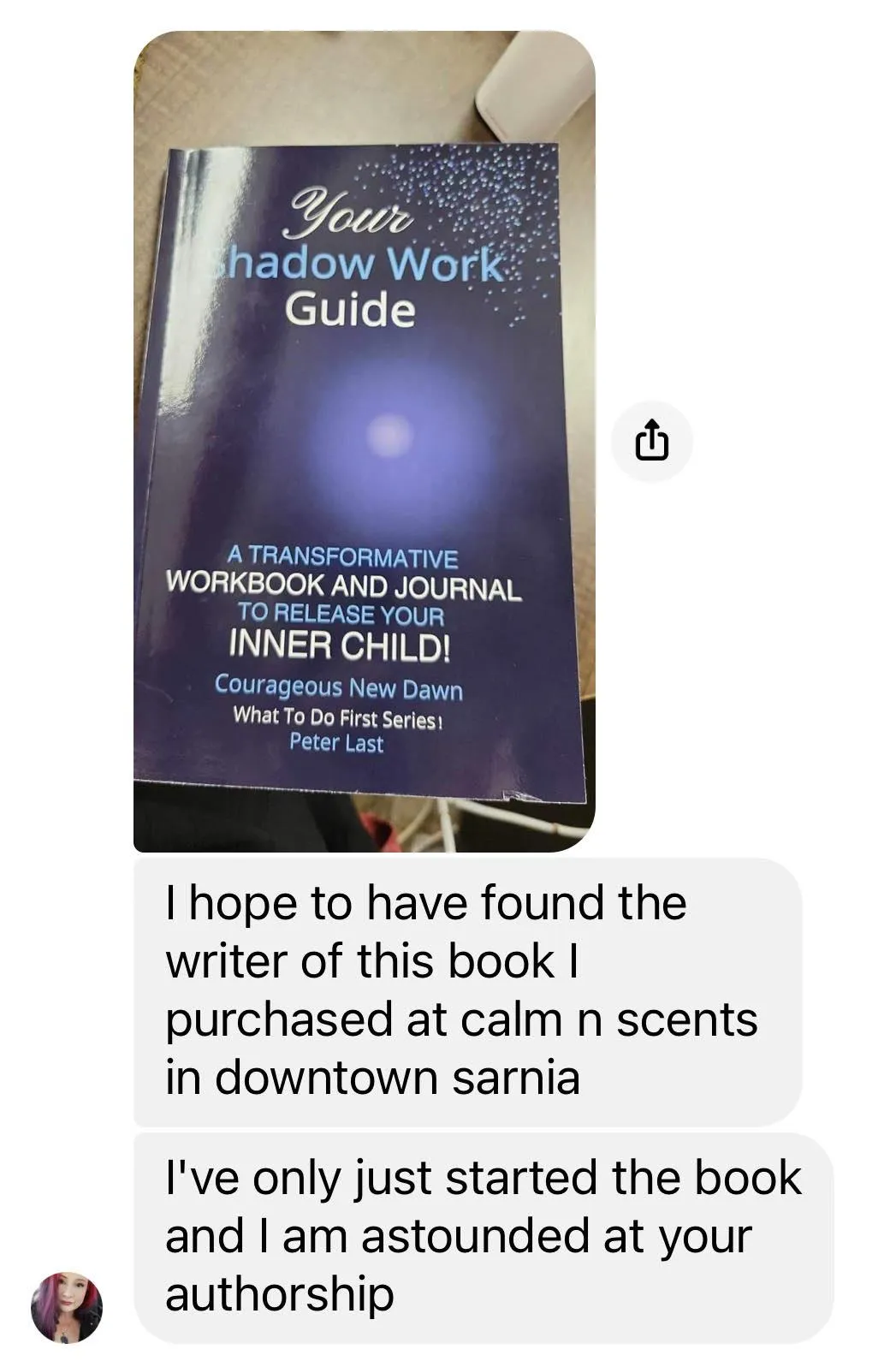
We love hearing testimonials like this! They guide our mission to help others unlock their shadows and inspire us to create truly authentic work. Explore more reviews on Amazon and Audible.
Get In Touch