WELCOME TO!
Your Shadow Work Quest
Choose an area of interest and learn everything you need to know about Shadow Work, from Journaling Prompts to Exploring the Unconscious, Self-Acceptance Practices, Inner Child Healing, Reparenting, Mindfulness Meditation, Identifying Triggers, and Living an Authentic Life! Devoiding any Demonic Association!


MORE ABOUT US
Discovering Your True Self Through Shadow Work!
At Shadow Work Quest, we are dedicated to helping you uncover the parts of yourself that often stay hidden, guiding you through healing and self-discovery with empathy and support. Inspired by personal transformation, our resources and tools help you peel back the layers, find clarity, and step into your authentic self. We understand that healing isn’t easy, but with compassionate guidance, community, and proven practices, we believe everyone can embark on this journey confidently and transform their life. Welcome to a path of profound self-awareness and inner strength.


“Who Is They, Anyway?” Rethinking Power, Accountability, and the Stories We Tell Ourselves
"Who Is They, Anyway?" — Rethinking Power, Accountability, and the Stories We Tell Ourselves
In a world where pointing fingers can feel like second nature, the elusive "they" often takes center stage in our narratives about power dynamics and accountability. Whether it's about "they" raising taxes or "they" controlling everything, this faceless entity becomes a convenient scapegoat for complex issues. But what if this habit of deflecting responsibility distances us from the social justice we seek? In this journey of self-reflection, we'll explore how embracing language and power dynamics can transform "they" into "we," empowering us to reclaim personal agency and engage in meaningful community participation. As we delve into these stories, you'll find that the path to change often starts with a single word: accountability.
The Invisible "They" — Language of Distance
The language we use shapes our perception of power dynamics and accountability. When we refer to "they," we often create difference of opinion between ourselves and the systems we're part of. This section explores how this linguistic habit affects our understanding of power structures and personal responsibility.
Creating a Faceless Entity
When we talk about "they" regarding governments, corporations, or elites, we inadvertently construct an intangible, all-powerful force that seems beyond our reach. This linguistic choice shapes our understanding of power dynamics in profound ways.
By attributing actions and decisions to a faceless "they," we create a mental barrier between ourselves and those in positions of authority. This separation can lead to a sense of powerlessness and detachment from the decision-making processes that affect our lives.
Moreover, this faceless entity becomes a convenient target for our frustrations and complaints, without requiring us to delve deeper into the complexities of systemic issues. It's easier to blame "them" than to unpack the intricate web of factors contributing to societal challenges.
Accountability or Surrendering Our Own Agency
The frequent use of "they" in our discourse about power and accountability can have unintended consequences on our sense of personal agency. By distancing ourselves linguistically, we may unknowingly surrender our own power to effect change.
When we consistently attribute actions and decisions to an undefined "they," we risk overlooking our own role in shaping the systems we're part of. This can lead to a passive acceptance of the status quo, rather than an active engagement with the issues at hand.
Furthermore, this language pattern can reinforce a sense of helplessness, making it seem as though change is impossible because "they" hold all the power. In reality, collective action and individual choices play crucial roles in societal transformation.
By reconsidering our use of "they," we can begin to reclaim our agency and recognize our potential to influence the systems we often feel powerless against.

The Comfort of Vagueness — Why "They" Feels Safer in Accountability
There's a certain comfort in the vagueness of "they." It allows us to express dissatisfaction or critique without taking on the responsibility of specifying who exactly we're talking about. This section examines why this linguistic habit can feel safer and more comfortable, even as it potentially undermines our ability to address issues effectively.
Blame and Nameless Groups
Blaming a nameless, faceless group is often easier than confronting the complex realities of power structures and decision-making processes. This tendency to attribute problems to an undefined "they" can be a form of psychological self-protection.
By keeping the subject of our criticism vague, we avoid the potential consequences of direct accusation. It's a way of expressing discontent without risking personal confrontation or retaliation.
This practice can also serve as a unifying factor in social groups, creating a shared sense of "us" versus "them." However, while this may feel comforting in the short term, it can hinder genuine understanding and problem-solving in the long run.
Avoiding Deeper Questions
The use of "they" as a catch-all term for those in power allows us to sidestep deeper, more uncomfortable questions about our own role in societal issues. It's a linguistic escape hatch from personal accountability.
When we attribute all problems to an undefined "they," we avoid examining our own complicity in maintaining the status quo. This can prevent us from recognizing ways in which we might be benefiting from or contributing to the very systems we criticize.
Moreover, this vagueness can discourage us from seeking out specific information about who is actually making decisions and how those decisions are being made. By keeping "them" nameless and faceless, we may be less likely to engage in the kind of informed civic participation that can lead to real change.

What If They Is... Us?
The realization that "they" might actually be "us" is a powerful shift in perspective. This section explores how recognizing our own role in shaping society can lead to more effective engagement with power structures and a greater sense of personal and collective accountability and responsibility.
Shaping Societies Through Participation and Accountability
Our participation, or lack thereof, plays a crucial role in shaping society. When we recognize this, we can begin to see how our actions (or inactions) contribute to the systems we often critique.
Active participation in civic life, from voting to community engagement, directly influences the direction of our society. Every choice we make, from the products we buy to the conversations we have, contributes to the overall social fabric.
By acknowledging our role in societal systems, we can start to see opportunities for change that were previously obscured by the vague notion of "they." This shift in perspective empowers us to take more intentional actions and make more informed decisions.
Outsourcing Responsibility and Its Impact
The habit of outsourcing responsibility to an undefined "they" can have far-reaching consequences. It not only diminishes our sense of personal agency but also impacts our collective ability to address societal challenges effectively.
When we consistently attribute problems to "them," we may overlook opportunities for grassroots change and community-driven solutions. This can lead to a sense of learned helplessness, where we feel powerless to affect the world around us.
However, by recognizing our own role in societal systems, we can begin to rethink accountability and take more proactive steps towards the changes we want to see. This shift from passive criticism to active engagement is crucial for meaningful social progress.
True self-improvement starts when we stop waiting for others to change and begin aligning our actions with the values we believe in. It’s not just about better habits—it’s about becoming someone who contributes, questions, and creates. When we hold ourselves accountable, we don’t just grow individually—we help shape a more conscious, connected world.


OUR SERVICES
High Quality Services

Complimentary Shadow Work Coaching Call
Welcome to your complimentary Shadow Work coaching call! This session is designed to help you explore the hidden aspects of yourself that may be holding you back—your inner shadows. Together, we'll dive into your emotional patterns, limiting beliefs, and past experiences to uncover the root of what’s been keeping you stuck. Through this call, you’ll gain clarity, practical tools, and a personalized plan to begin healing and embracing your authentic self. Let’s take the first step toward your emotional freedom and personal growth!

Shadow Work Consultation 1 Hr
This personalized session is designed to guide you through the deeper layers of your inner self—helping you uncover and heal the hidden shadows that may be holding you back. We’ll delve into your emotional patterns, limiting beliefs, and past experiences to identify the root causes of your current struggles. Together, we'll craft a tailored action plan with practical tools to help you embrace your authentic self and make meaningful progress on your healing journey. Let’s unlock your potential and take transformative steps toward emotional freedom and personal growth!

Shadow Work Consultation 3 Sessions
This personalized session guides you through the deeper layers of your inner self—helping you uncover and heal the hidden shadows that may hold you back. We’ll delve into your emotional patterns, limiting beliefs, and experiences to identify the root causes of your current struggles. Together, we'll craft a tailored action plan with practical tools to help you embrace your authentic self and make meaningful progress on your healing journey. Let’s unlock your potential and take transformative steps toward emotional freedom and personal growth!

Practitioner Medley: A Diverse Path to Healing
Emphasize your services related to mindfulness, stress reduction, and emotional well-being. Explain how you can help clients develop mindfulness practices, manage stress, and improve their overall mental health and resilience.
FAQS
What is Shadow Work coaching, and how can it benefit me?
Shadow Work coaching is a compassionate and guided journey that helps you explore the parts of yourself you may have tucked away—unresolved emotions, limiting beliefs, and past experiences that subtly shape your life today. Through this process, you gain insight into these hidden parts, allowing you to heal, grow, and live more authentically.
With a dedicated coach by your side, you’ll be supported every step of the way, helping you feel safe and empowered as you work through your unique experiences. Shadow Work coaching can lead to greater self-awareness, emotional resilience, and a sense of peace, giving you the tools to break free from patterns that no longer serve you.
How long does a typical coaching program last, and how often are sessions scheduled?
Coaching programs vary in length based on each individual’s needs and goals. Typically, a program lasts between 3 to 6 months, providing ample time for meaningful growth and transformation. Sessions are usually scheduled once a week or bi-weekly, allowing for consistent progress while giving you the space to reflect and apply insights between meetings.
Our focus is on creating a pace that feels right for you, so we can adjust the program length and session frequency to support your journey comfortably. We’re here to walk alongside you, ensuring a supportive and effective experience every step of the way.
Is Shadow Work coaching only for individuals, or do you offer services for groups or organizations as well?
Shadow Work coaching is available for individuals as well as groups and organizations. We understand that everyone’s journey is unique, and we’re committed to creating an environment that feels both safe and empowering—whether it’s a one-on-one session or a team workshop. Our approach adapts to meet the specific needs of each setting, allowing individuals and groups alike to explore self-discovery, resilience, and growth in a supportive space.
OUR TESTIMONIALS
Client's Feedbacks
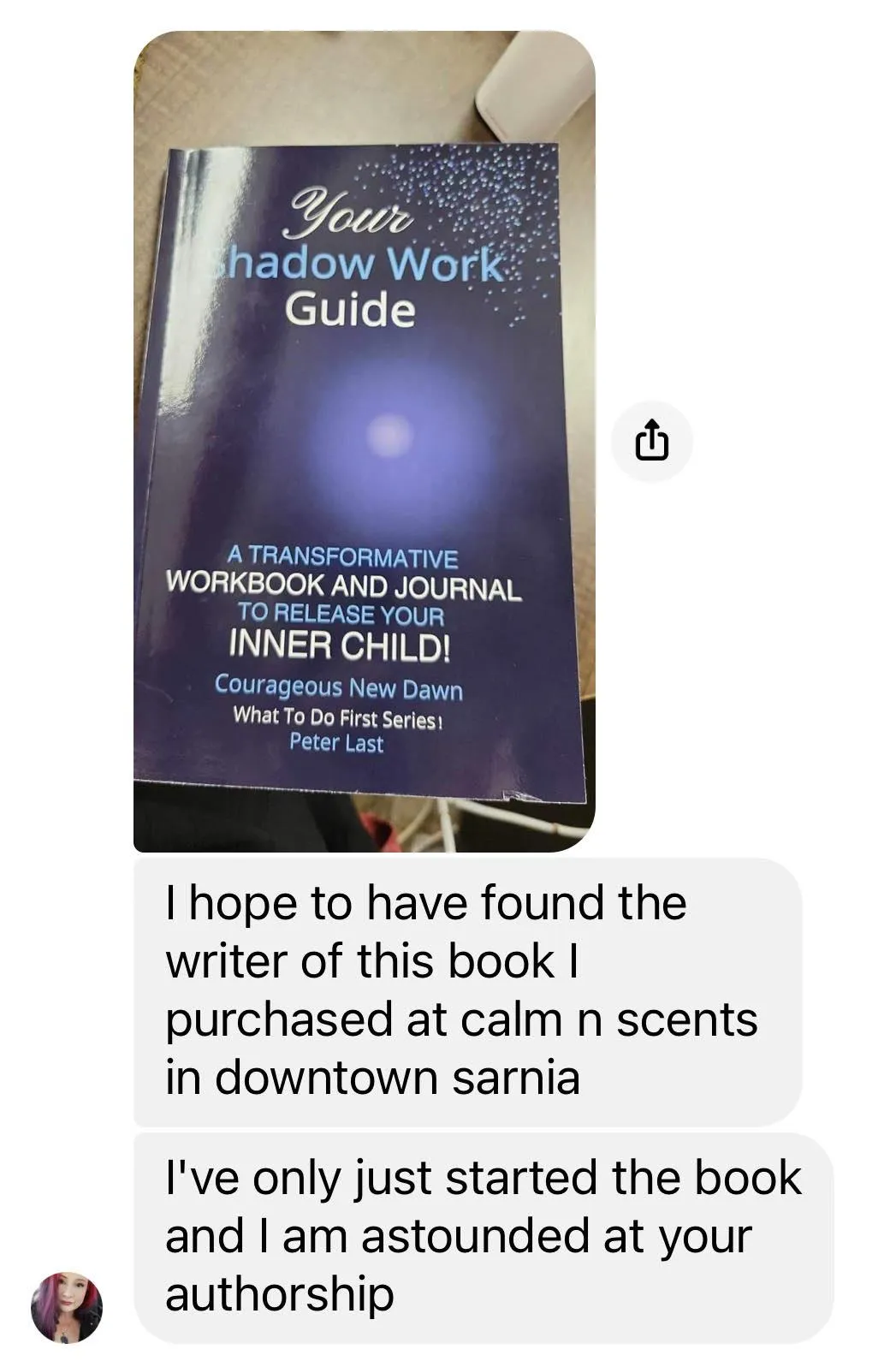
We love hearing testimonials like this! They guide our mission to help others unlock their shadows and inspire us to create truly authentic work. Explore more reviews on Amazon and Audible.
Get In Touch